
So you decided. After years of dragging your feet and months of hesitation, now is the time. There are sights to see and memories to be made. You’ve saved up a little bit of cash and personal leave from work. It’s now or never.
Traveling and seeing the world is something nearly everyone wants to do, but far fewer people actually make it a reality. This might be because of how daunting it can seem on the surface. Planning your perfect vacation can quickly lead to feelings of anxiety and being overwhelmed with things to do and plan. Whether you are new to traveling or just want to improve on your previous experiences, these tips can help provide clarity on how to plan a trip from scratch.

1. Location, Location, Location
First things first. You have to decide where you want to go. The great big world is out there for you, but of course, you can’t see it all in one trip. The country or city you want to visit is largely going to be dependent on personal preference, budget, travel history, and what you want out of your trip.
Europe is a great place to start for first-time travelers and experienced travelers alike, for the amount it offers and the similarities to those of North America. Western Europe has been a hotspot for tourists for centuries, but Eastern Europe has a lot to offer as well. For people wanting more of a cultural difference. Maybe try researching Southeast Asia (Thailand), East Asia (Japan), or South America (Brazil) for some ideas.
Where you go is largely going to be decided by your personality and what you want to accomplish. And of course your wallet. Do you want to visit a large city that offers world-class museums, art galleries, and a bustling nightlife? Or are you more of a slow and steady person who prefers a smaller town out in nature, filled and a castle along the mountainside?
Larger cities tend to be more expensive and have more hidden costs you’ll discover along the way, like pricey restaurants and admissions into must-see sights. Better to think ahead than to run out of money halfway through your trip of a lifetime.
And finally, something to consider is when you want to go. Do you want to enjoy the sunny beaches of Greece or Mexico? Or do you want to see the Christmas Market in Québec City during the middle of winter? Will you enjoy your trip if it’s raining on you every day in Accra during Ghana’s wet season? These are all personal preferences, and everyone has their own definition of what perfect weather feels like to them.
2. Make Your Travel Plans
So after a lot of soul-searching, you decide where you want to go. Now you need to figure out how to get there. This is probably gonna be a flight. You have a lot of options on sites to choose from, but a good rule of thumb is to purchase those tickets 2-7 months in advance. Planning a trip around important holidays or peak travel seasons can increase the price. And flight times change somewhat frequently, so keep an eye on the flight departure, layovers, and landing times. Besides planes, you will likely need transportation in other forms as well. Depending on where you decide to go, this could range from trains, taxis, buses, Ubers, and ferries. Be flexible and travel the way the locals do. However, one thing you might want to plan is how you intend to get out of the airport. Does the airport have a train station or bus station attached to it? Is your hotel easy to find for a taxi driver? Are you going to be landing in the evening hours or the morning daylight hours? Planning the last leg of your arrival will save you so many headaches, and I cannot stress this enough.
Once you land, you’ll need somewhere to stay. Hotels, hostels, and businesses like Airbnb are a good place to start. Whichever one you decide to use, it’s best to plan. No one wants to land jet-lagged and stressed out about their lodgings.
This one is optional, however, I highly recommend it for certain sites. Buy admission tickets in advance. This can literally be the difference between waiting in line for four hours compared to 15 minutes. Not every museum, art gallery, and cultural site needs their tickets purchased in advance, but the world-famous sights probably do. And you won’t regret it.
3. Last Minute Preparations
Before you leave on your trip, make copies of any official documents you intend to bring, just in case they get lost or misplaced. This includes your passport and important tickets. Let your bank know when and where you will be to ensure your funds will work overseas, and consider travel insurance. Anything could happen, and it’s better to be prepared for the worst beforehand. Not to mention, having these things prepared will ease your anxiety and allow you to enjoy more of your trip.
4. Pack Light
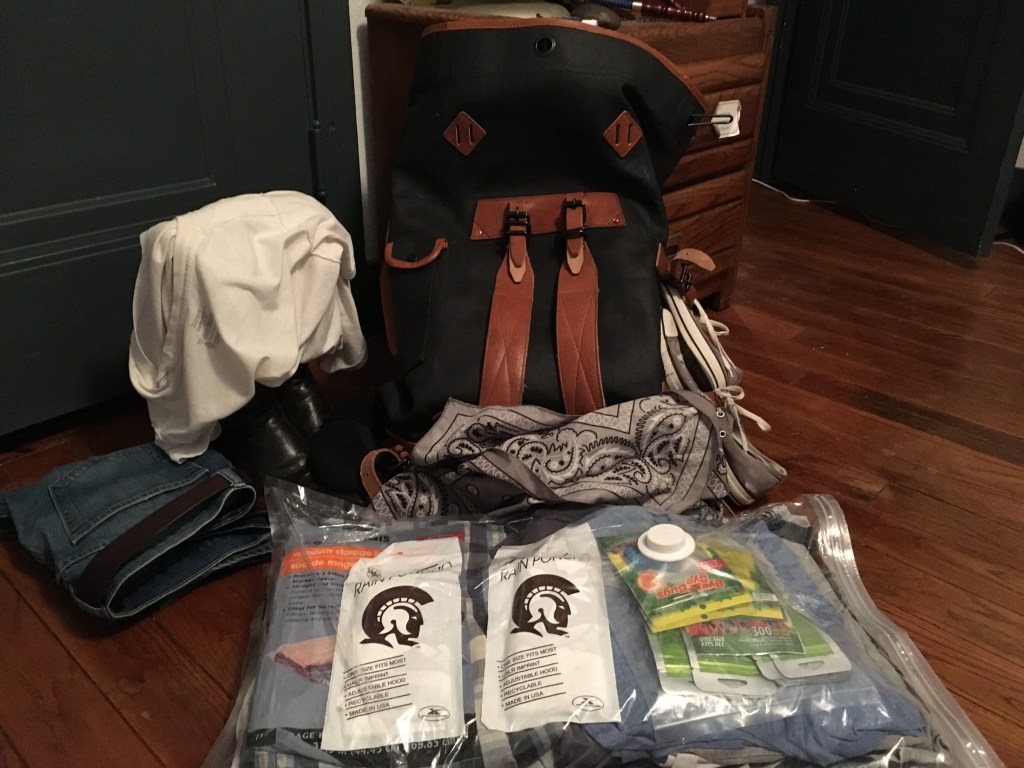
This might be the thing that makes or breaks your trip. Can you carry your suitcase for an extended period of time? Is it heavy, bulky, and overflowing before you even leave your house? There’s a really good chance you have more in there than you will ever need. This can be difficult for people to wrap their heads around, but less is more. Heavier bags are a hassle at the airport, while walking down cobblestone streets, and reduce the amount of space you have for souvenirs. You can wear clothes more than once, and you can often buy toiletries when you land. An overflowing or poor-quality backpack is a rookie mistake, and one will regret it.
Depending on where you are going and what you plan on doing, you may need some special equipment. Is it going to be raining or snowing? Probably a good idea to invest in a good jacket. Stick to one or two pairs of shoes. And bring a good camera for all the memories and stories.
Make a packing list, and edit it down. Try to only bring what you need.
5. Be Flexible
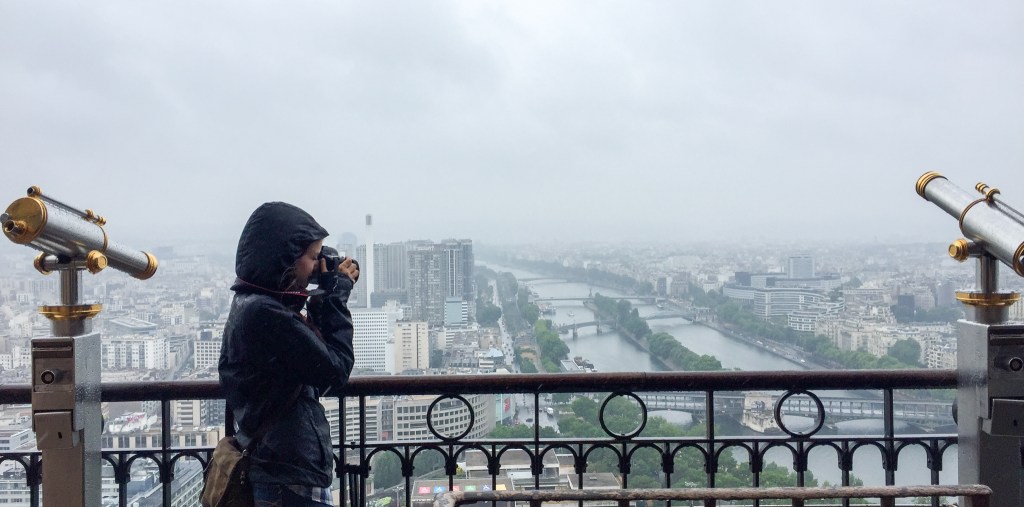
There is a good chance something will go wrong on your trip. It happens. It’s unavoidable. Don’t let an unexpected rainy day ruin your time. Flights might be missed or a restaurant might be closed. But your attitude is what will make wor break your vacation. Remember, you planned this trip for months and saved hundreds of dollars; don’t let a change of plans sour your experience.

6. Be vigilant.
The news can make the world seem scary, but for the most part, most places are safe. Locals are generally very friendly and talkative with tourists, and interacting with them can enhance a vacation. That being said, be mindful that you are far from home, and bad actors might try to take advantage of that in a variety of ways. This can come in many forms, like being the victim of a crime or targeted by common scams. Keep an eye on your backpack, phone, and camera, and try not to put yourself in a situation you wouldn’t be comfortable in back home.
There’s a lot that goes into traveling, but these beginner tips should help focus your attention and help you begin thinking about how your trip will look.
 The Traveling Tourists
Leave a comment