
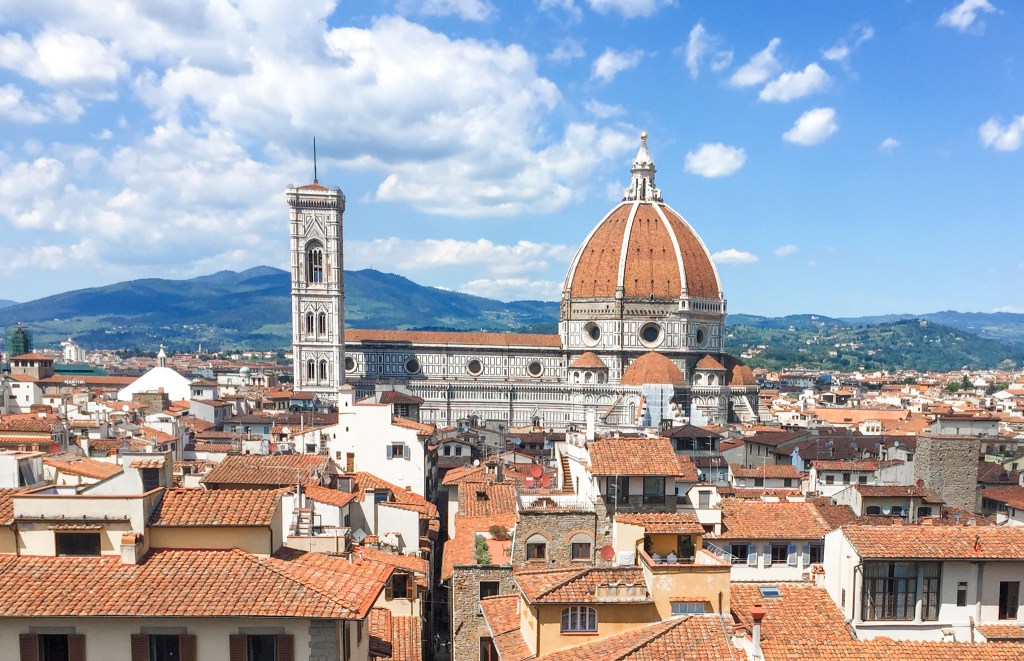
If you’re dreaming of a European escape filled with exploring museums, immersing yourself in history, and savoring delicious wine, then Florence is the perfect destination for your next adventure. Florence is overflowing with beauty, boasting frescoed chapels, picturesque cobblestoned piazzas, and a blend of manmade masterpieces and natural Tuscan scenery. Florence is a city adorned with stunning Renaissance-inspired culture, enchanting narrow streets, and buildings adorned with vibrant red roofs. It is undeniably one of Italy’s most iconic destinations. As the capital of Italy’s Tuscany region, Florence is renowned as the birthplace of the Renaissance and boasts an impressive collection of masterpieces by renowned artists like Michelangelo, Botticelli, and Leonardo da Vinci.
Like other popular cities, Florence has a city card called Firenzecard that can help get tickets for many different museums and popular locations in advance. There is an option for a digital or a physical format, and the card activates when you enter your first attraction. Essentially, you have 72 hours to visit as many museums as you can that are included in the package. The city has more than 60 attractions that are included, so you might want to figure out which sites are a must-see for your trip. The card is a little expensive, but if your trip to Florence is going to be centered around museum hopping, then it will probably be worth checking out.
Florence’s location and Italy’s train system make it an easy city to include in your trip to Italy. Rome, Venice, Pisa, Milan, and Bologna are all amazing and popular locations that can be visited on the same Italian vacation, either before or after visiting Florence. Although I enjoyed my time in Florence, my wife longs to return to Firenze to experience the charm of Tuscan culture all over again.
Top Things to See and Do

1. See the David(s)
You might be surprised to know that there are three original David statues throughout Florence (There are two additional replicas). The Bargello Museum houses Donatello’s David. Donatello’s David stands as a testament to his artistic brilliance, serving as a trailblazer for the Renaissance period. This extraordinary sculpture portrays David, the young shepherd with delicate features and a victorious pose. Donatello’s David is a masterpiece of Renaissance naturalism, showcasing a realistic portrayal, unlike Michelangelo’s David. The second David is also housed in the Bargello Museum and was created by the artist Verrocchio. Leonardo was an apprentice under Verrocchio, and many of his artworks can be found throughout Europe. And of course, this list would be incomplete without Michelangelo’s David. You will find this statue in the Galleria dell’Accademia. He is very large (17 feet) and will likely surpass your expectations with his incredible level of detail. Without a doubt, this is a must-see masterpiece that should not be missed during your visit to the city. Standing in front of the David and taking in all that he represents can be a humbling experience. There are a lot of things out in the world I would label as overrated, but Michelangelo’s David is not one of them.
2. Climb the Duomo
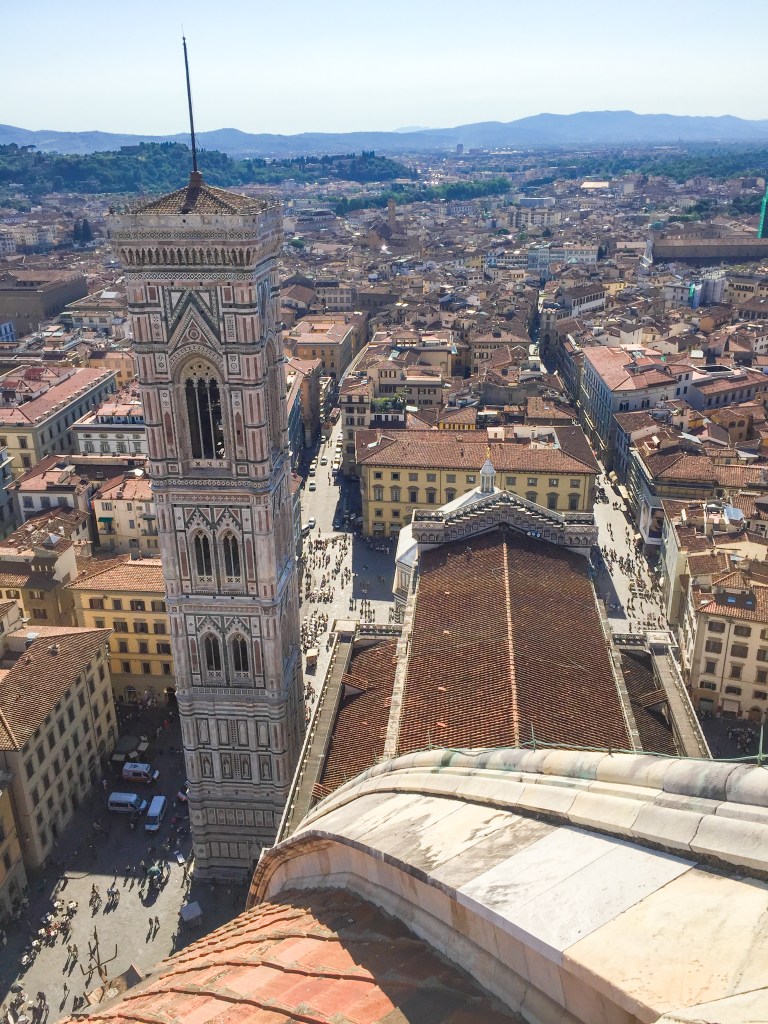
Florence’s Duomo is an absolute must-see attraction that is inseparable from the city itself. Towering over the skyline, the Santa Maria del Fiore cathedral has become an unmistakable symbol of Firenze. Filippo Brunelleschi, often referred to as the father of Renaissance architecture, was the mastermind behind the magnificent dome. Even today, it holds the distinction of being the largest brick dome ever built. The only way to get a good view of the paintwork on Brunelleschi’s dome is by ascending the 463 steps, but the reward of a stunning view of Florence from the top of the dome’s roof makes it all worth it. However, tickets are required in advance, and space is limited. Although the cathedral is the main attraction, next to it is the Baptistery of St. John. The Porta del Paradiso, also known as the Gates of Paradise, serves as the eastern entrance to the Baptistery of Florence. The gold-plated doors are such a unique piece of artwork in and of themselves. Also near the Duomo, Giotto’s Bell Tower is a remarkable representation of 14th-century Gothic architecture. Standing tall above the Duomo, the tower reaches a height of almost 280 feet. It provides an amazing view of the city and landscape for those looking for a great view.
3. View the Renaissance Art
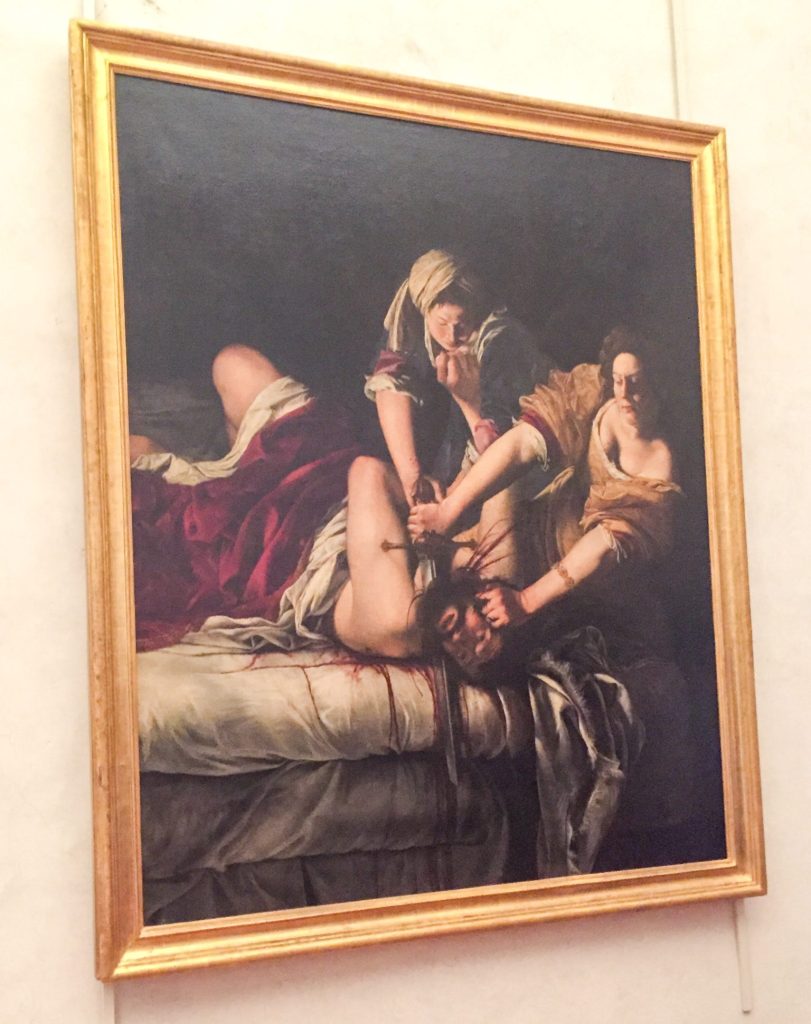
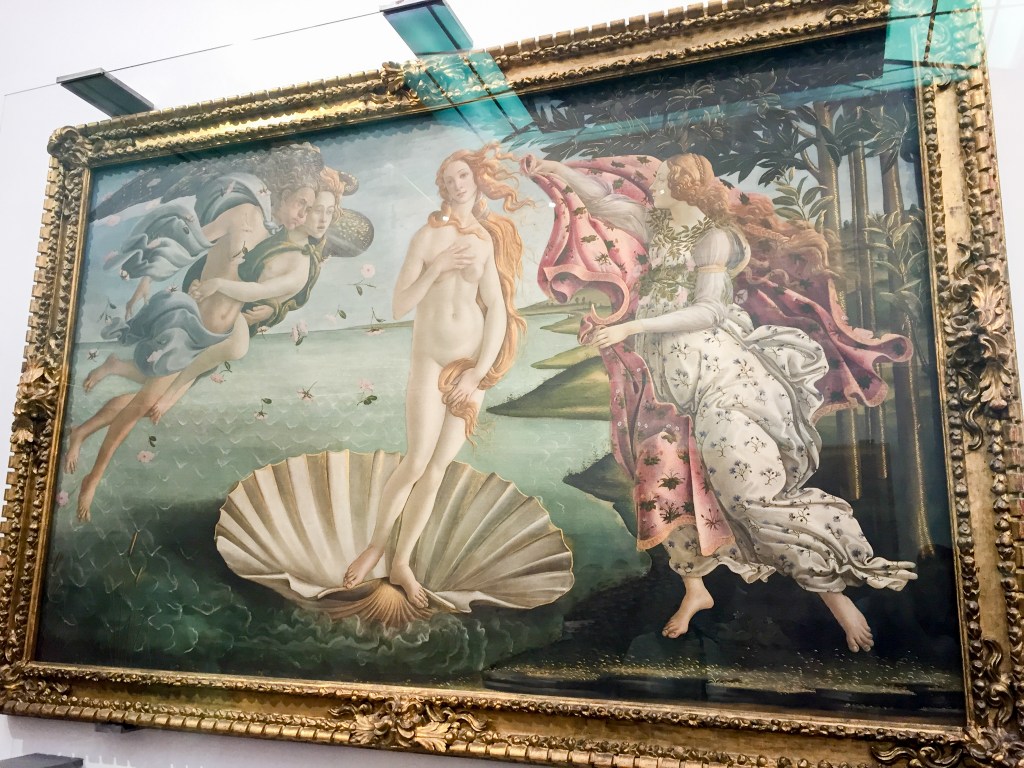
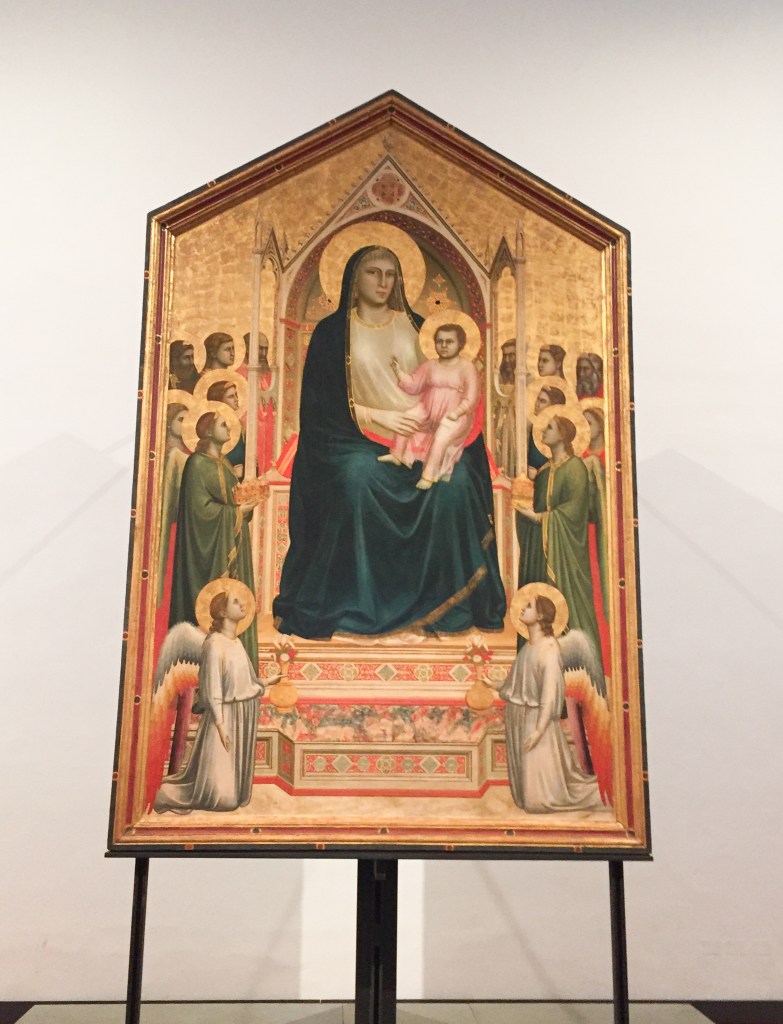
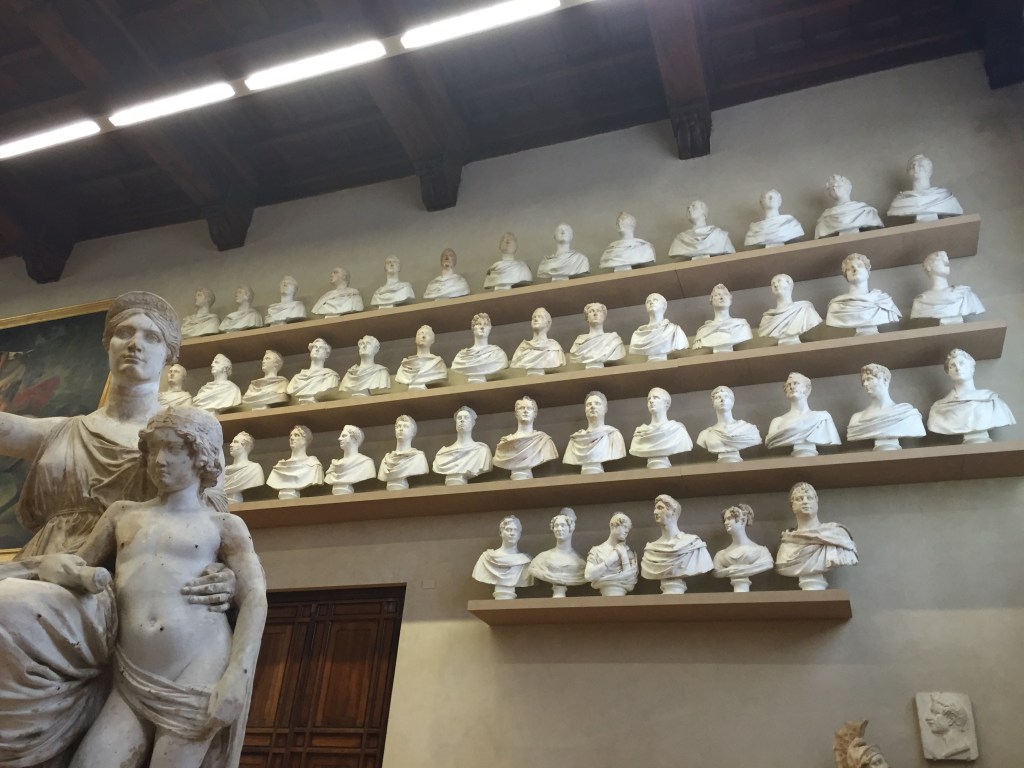
You can find Renaissance art throughout Italy, but Florence has some of the best and most well-known pieces you might recall from your history classes. Honestly, the difficult part (Excluding the lines) is figuring out which museum houses which famous piece of artwork. There is an argument to be made that the Uffizi Gallery houses the most important Renaissance art collection in the world. Step into the Uffizi Gallery and be captivated by the brilliance of Titian’s Venus of Urbino, Botticelli’s timeless creations, The Birth of Venus and Primavera, Bacchus by Caravaggio, and Doni Tondo by Michelangelo. Another great spot for art is the Palazzo Vecchio, which is truly a remarkable showcase of Renaissance architecture. The exterior is adorned with statues crafted by the talented hands of Donatello, Michelangelo, and Giorgio Vasari. Inside, you can explore the private studio of Francesco I de’ Medici and marvel at the grandeur of the “Salone dei Cinquecento,” Florence’s largest room. Two honorable mentions to be included in this list are the Basilica of Santa Croce and the Medici chapels within the church of San Lorenzo. The former is for the numerous tombs of Niccolò Machiavelli, Galileo Galilei, Michelangelo, and Vasari. The latter for more history of the Medici family and artwork by Michelangelo.
4. Walk Along the Arno River
Florence gets a lot of its charm from the Arno River. To really appreciate Florence, I’d suggest spending some time walking along the river. Of course, this would be incomplete without visiting Ponte Vecchio. The Ponte Vecchio was built more than 700 years ago and was the only Florecian bridge to survive the bombing of World War II. Along with the Duomo, the Ponte Vecchio is often what people think of when they think of Florence. We didn’t do this, but you can rent a private boat and driver to take you along the river for a different perspective.
The Good: The Renaissance art, specifically Michelangelo’s David and Botticelli’s The Birth of Venus. Tuscany is also known for its wine country, and the wine will not disappoint.
The Bad: The Ponte Vecchio, although a staple for the city, is probably overrated and almost a tourist trap.
The Ugly: Florence is crowded. To enjoy the city, I would strongly advise against the summer months.
Florence is a city for art lovers, wine drinkers, and history enthusiasts. The city houses some of the best Renaissance art in the world and is located in the beautiful Tuscan region of Italy. Geographically, the city is in a prime location to explore Tuscany, but also hop to other cities once you feel you’ve given Florence the attention it requires. Many people would not consider their Italian experience complete without a visit to Florence. And the city provides tourists, in many ways, what they expect from their trip to Italy.
 The Traveling Tourists
Leave a comment