

As they say, “Rome is the heart of Italy, but Naples is the soul.” Naples sets itself apart from the bustling tourist hubs found within northern Italy. Known for its delicious pizza and fresh seafood, this city offers much more than just culinary delights. Being one of the oldest continuously inhabited cities worldwide, it proudly showcases its rich historical heritage through magnificent castles, captivating art, and fascinating ruins. This city is a top choice for history enthusiasts and food lovers alike.
Naples can be a little rough around the edges, especially with a first impression. Although Naples will get the occasional negative review (Often crime, grittiness, or garbage), the city offers a beautifully chaotic Italian experience. Naples has a lot going on within the city, but travelers also have ancient ruins, Mt. Vesuvius, and the Amalfi Coast within a short distance via train, bus, or car. Naples makes for a great base to travel throughout the region. Because of its location, I’d suggest anywhere between 2-5 days in Naples. This allows you to take in all the sights within the city, but also explore popular destinations in southern Italy.
I highly suggest investing in a Naples ArteCard. With this pass, you can enjoy free entry to up to three museums, receive a 50% discount on admission to other attractions, and benefit from free public transportation. The ArtePass also covers tourist sites and museums in the Campania region, including those in Pompeii. This can save you a lot of money and is a straightforward process.
Top Things to See and Do
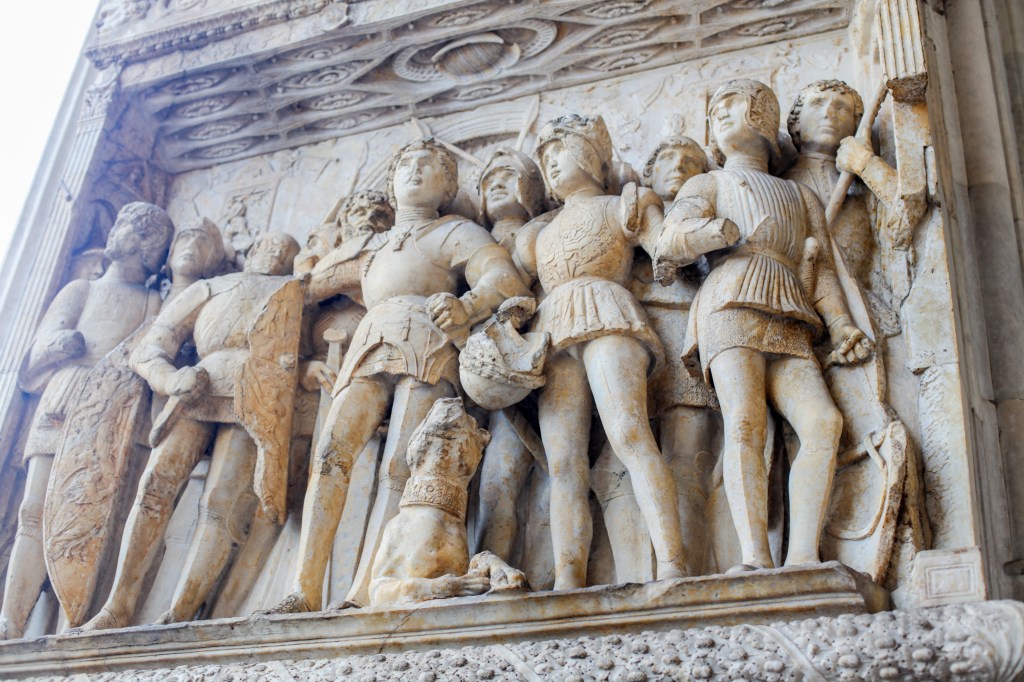
1. Take in the Neapolitan Culture
Naples is a city filled with rich historical sights waiting to be explored. Opera houses, museums, castles, palaces, churches, and monuments are all sprinkled throughout the city. Just like other European cities, Naples has plenty to see, but I am just going to highlight my personal favorite. If you are into theater culture, then one of the must-visit places is the San Carlo Opera House, which happens to be the oldest working opera house in the world. If you’re interested in delving into the past, the Naples National Archaeological Museum is the perfect destination. Here, you can marvel at mosaics, statues, and various remnants of history. Not only does it showcase Italian history, but it also boasts an extensive collection of Egyptian, Greek, and Roman artifacts, including a cast of a girl who met her fate during the eruption of Mount Vesuvius in 79 AD. Some additional sites worth mentioning are the Royal Palace, Museo Cappella Sansevero, and Museo di Capodimonte, which will give you plenty of opportunities to learn about the history of Italy and the famous artwork housed within the city. One must-see is the Veiled Christ, created by the artist Giuseppe Sanmartino in 1753 from a single block of marble. Arguably, the most famous artwork in the city, and one you will never forget. These are just a few of the cultural sites Naples has to offer its visitors, and it all depends on personal preference.
2. Hike Mt. Vesuvius
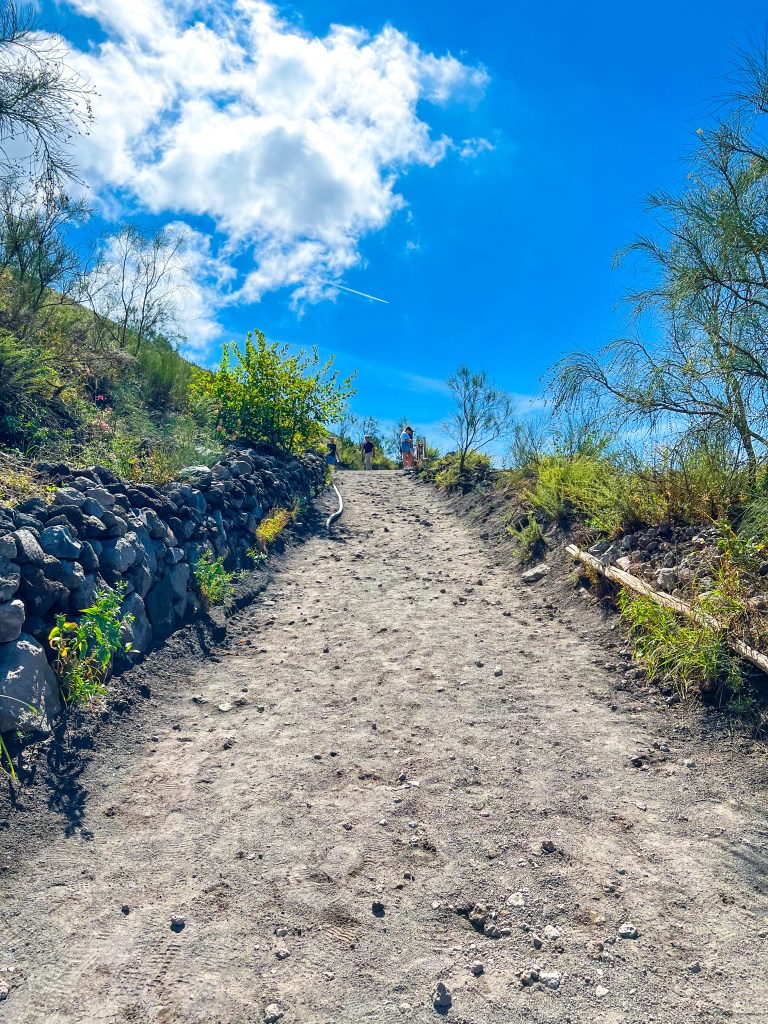
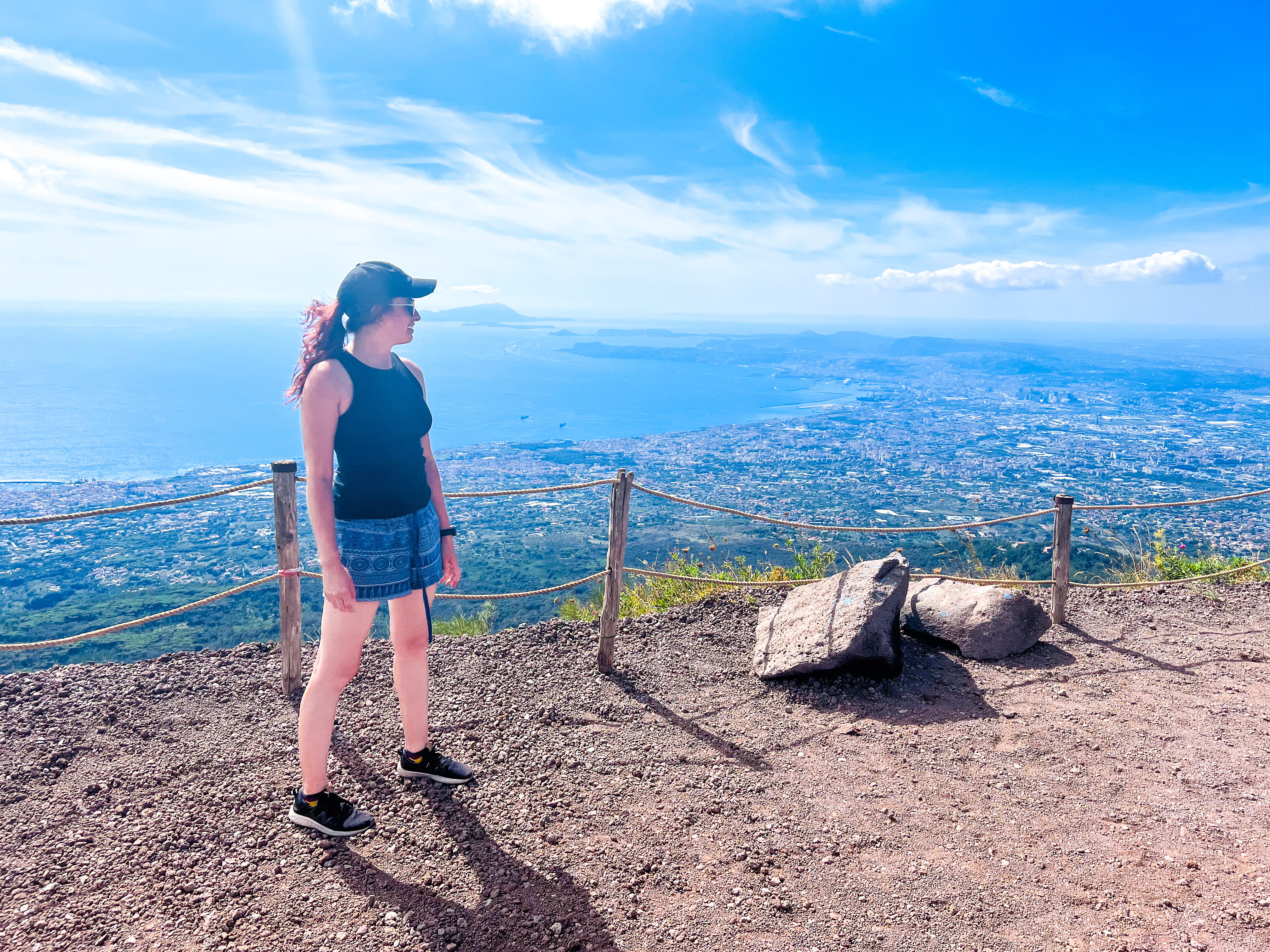
In 79 AD, the eruption of Mount Vesuvius resulted in the devastating destruction of Pompeii and Herculaneum, claiming the lives of countless individuals. Although the hike up the volcano is steep, it is relatively short, typically taking only 30-60 minutes. Upon reaching the summit, you’ll have the incredible opportunity to gaze into the volcano’s crater and admire the panoramic view of the Bay of Naples. This is a must-do for any nature lover. It is also a change of pace from seeing artwork and museums. Remember to purchase the entry fee online in advance. Getting to Mount Vesuvius from Naples is convenient, as you can take a train and then transfer to a shuttle bus. Definitely take a vehicle to the top. I saw a few people walk the entire way. Would not advise it. Although you can try and stack a few things with your Mt. Vesuvius day, I’d keep this day light because you will likely be tired from travel, hiking, and the sun.
3. Explore Ancient Ruins
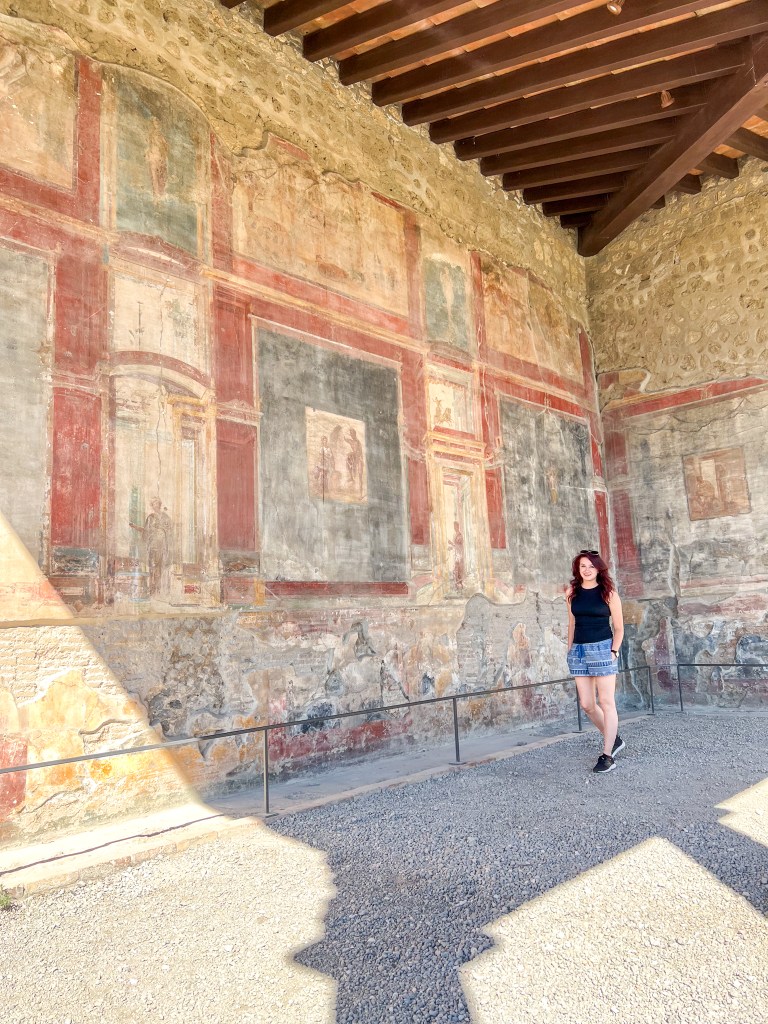
Mount Vesuvius covered the neighboring towns of Pompeii, Herculaneum, Oplontis, and Stabiae in ash and lava. While the volcanic eruption was a tragedy for the residents, it ended up protecting numerous ruins. These ruins were unearthed in the 18th century through excavation efforts. Thanks to the eruption, Pompeii stands as one of the most well-preserved ancient Roman cities globally. The expansive 160-acre UNESCO World Heritage Site offers remnants of villas, baths, an amphitheater, mesmerizing mosaics, captivating frescoes, and poignant casts that depict the haunting last moments of their victims. I was worried Pompeii was going to be a tourist trap. I am so thankful I was wrong. I enjoyed my time here, and one can easily spend a full day (Or even more) wandering the ruins.
Pompeii may be a well-known tourist destination near Naples, but don’t forget about Herculaneum. Although smaller than Pompeii, Herculaneum offers a more intimate experience with fewer visitors. If you like ancient ruins like I do, mark off enough time in Naples to spend at both Pompeii and Herculaneum. There are very few places in the world where you can explore streets thousands of years old, frozen in time like you can in Herculaneum.
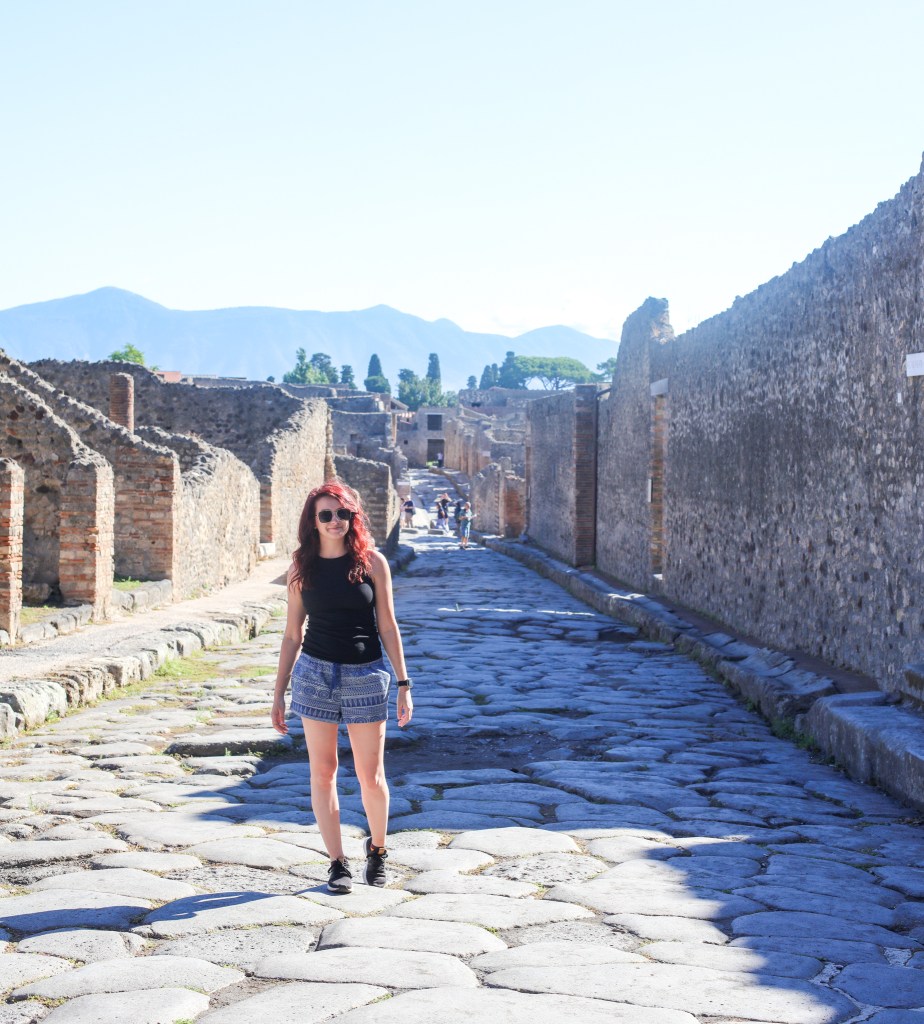
You can reach both by public transport from the Piazza Garibaldi station. Very important to try and arrive early. Pompeii specifically can become very crowded, and there is little shade from the sun. Doing both on the same day will be very difficult, but either could be stacked with Mt. Vesuvius or given a full day to themselves.
The city of Naples itself also offers some unique ancient history. Unfortunately, not something I had time to do, but nestled beneath the vibrant cityscape of Naples lies a hidden gem – an elaborate ancient underground city. This captivating world, with a history spanning 2400 years, holds the secrets of the ancient Greeks and is affectionately known as the womb of Naples. Prepare to be amazed by the intricate water system that once thrived during the Greek Era, and wander through the remnants of a Roman theater tucked away within a quintessential Napolitanian house. This is on my to-do list the next time I find myself exploring Naples. Another ruin to be on the lookout for is the Flavian Amphitheatre of Pozzuoli. It is the third-largest amphitheater ever built by the Romans, following the Colosseum and the Amphitheatre of Capua. This magnificent structure showcases the incredible engineering advancements of Ancient Rome. Primarily utilized for gladiatorial contests, it could accommodate an impressive audience of up to 40,000 spectators.

4. Authentic Pizza and Italian Cuisine
Naples is famous for its unbeatable Neapolitan Pizza, a local invention that will leave you craving for more. You can choose between the classic margherita topped with tomato, mozzarella, and basil, or the flavorful marinara with tomato, oregano, and garlic. While there are numerous pizzerias in the city, one of the most renowned is L’Antica Pizzeria Da Michele a Forcella, which was even featured in the movie ‘Eat, Pray, Love.’ Locals and tourists alike queue up to savor a piece of their authentic pizza. And don’t forget to indulge in Napolitano Coffee, a rich and robust brew that you’ll find in every nook and cranny of the city. Whether you prefer an Espresso or a regular cup of joe, this coffee will satisfy your cravings. A nice dessert found in Naples, babàs, is a simply irresistible sweet treat that you cannot overlook. They resemble delightful golden cakes that have been soaked in a delightful blend of rum and sugary deliciousness. Naples is also known for its seafood, wine, and spaghetti alla puttanesca (spaghetti with capers). Like the rest of Italy, Naples is going to have the Italian cuisine that many people are craving when they plan their trip. Another great thing about the food scene in Naples is the price. Meals are often cheaper here than in other Italian cities, which makes Naples a little easier on the budget.

5. Soak Up the Amalfi Coast and Capri
Naples is a great starting point for day trips to the nearby islands and the Amalfi Coast. The Amalfi Coast in Italy is a picturesque stretch of shoreline in the southern part of the country that is renowned for its awe-inspiring vistas. Situated in the Campania region, it boasts stunning views of the Tyrrhenian Sea and the Gulf of Salerno. Designated as a UNESCO World Heritage Site in 1997, it continues to attract tourists from around the world. Positano is often considered the most picturesque town on the Amalfi Coast. With its boutique shops, restaurants, and beaches, there’s no shortage of things to do on a day trip. Visitors need to be aware that the coast is not the easiest place to visit. Ferries, buses, and private cars are going to be your best options, and prices are going to be higher for just about everything.
The island of Capri is another option for a fun day trip outside of Naples. The island caters to all tastes, offering designer boutiques, stunning beaches, historical sites, and a picturesque coastline. Upon arrival at Marina Grande, take the funicular up to the lively piazza and the town of Capri. Enjoy a day lounging on the beaches of Marina Piccola and browsing through the local shops. Boat tours are a great way to explore the island, including a visit to the famous blue grotto and the lavish homes of the rich and famous. History enthusiasts should visit Villa Jovis, built by Emperor Tiberius in 27 AD, while beach lovers can rent a lounge chair at Marina Piccola.

6. Spirituality at the Duomo
The Duomo, a stunning Gothic cathedral from the 13th century, pays homage to the beloved patron saint of Naples, San Gennaro. Inside, you’ll be captivated by the intricate frescoes, reliefs, and mosaics that span centuries of artistry. I did not expect to find one of the most stunning churches in the world in Naples, but to this day, the Naples Cathedral is still one of the most beautiful churches my family has ever visited. My mom said she felt the Lord here, and after visiting the cathedral, you might leave with the same feeling. For a deeper exploration, venture into the crypt to witness the archaeological remnants of the ancient paleo-Christian church that lies beneath the cathedral. Even more exciting, each year, the Duomo becomes the vibrant setting for the Festival of San Gennaro, where the vial containing the saint’s dried blood is brought out in the hopes of its miraculous liquefaction.
The Good: Naples has amazing pizza and offers a different Italian culture and vibe than tourists experience in other northern cities. Plus, there aren’t many places you can hike a volcano and explore ancient cities preserved in time.
The Bad: Tourists need to be prepared for a different pace in Naples. The city has a certain grittiness to it that distinguishes it from other Italian cities.
The Ugly: Graffiti, corrupt taxi drivers, and crime near certain hotspots will keep travelers on their toes.
Naples has a different culture from other Italian cities like Rome or Florence. Not everyone will love Naples, but if you are looking for a new Italian region to explore, I recommend giving it a try and discovering what the city and the countryside have to offer. And of course, possibly the best pizza you will ever eat.


Leave a Reply